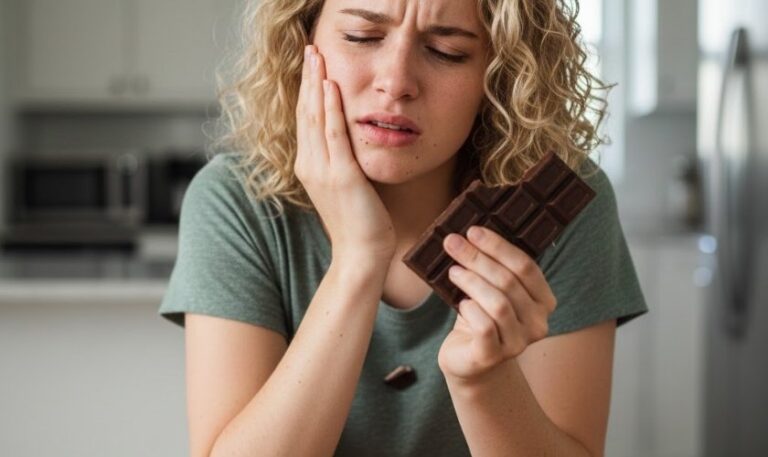
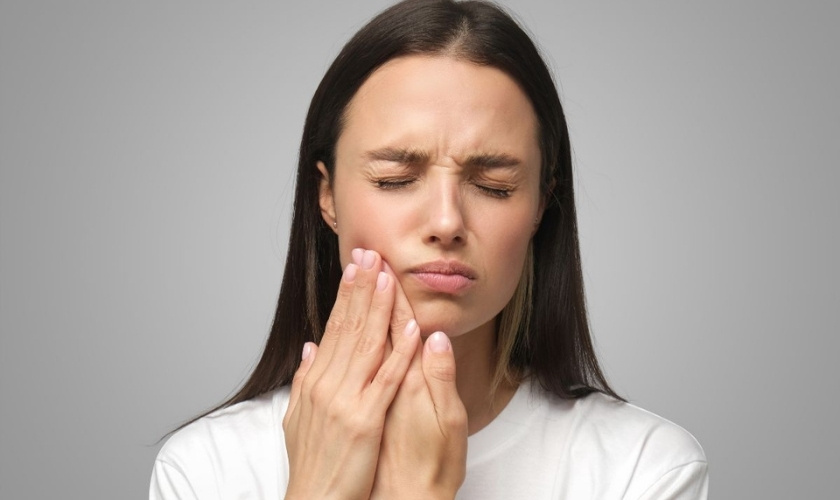
A tooth that hurts when you bite down can be uncomfortable and concerning. While occasional sensitivity may not indicate a serious problem, pain triggered by chewing or pressure can sometimes point to an underlying dental issue. Identifying the cause early can help prevent the problem from becoming more complicated.
Common Reasons Your Tooth Hurts When You Bite Down
1. Tooth Decay
A cavity can weaken the tooth and expose sensitive inner layers. As decay progresses, biting pressure may cause discomfort, particularly when food presses against the affected area. Treatment depends on how advanced the decay is.
2. Cracked or Fractured Tooth
A small crack may cause sharp pain when you bite or release your bite. Cracks can be difficult to see because they may occur below the gumline or within the tooth. Prompt evaluation can help prevent further damage.
3. Dental Filling Problems
If you recently had a filling and the tooth hurts when biting down, the filling may be slightly higher than your natural bite. This can put extra pressure on the tooth. Your dentist can check the bite and make adjustments if necessary.
4. Tooth Infection
An infection inside the tooth can cause pain when chewing or applying pressure. Other symptoms may include lingering sensitivity, swelling, a bad taste, or spontaneous toothache. An infected tooth may require root canal treatment or another appropriate procedure.
5. Gum or Periodontal Problems
Inflamed or infected gums can make a tooth feel tender when pressure is applied. Advanced gum disease may also affect the tissues and bone supporting the tooth, creating discomfort during chewing.
6. Dental Trauma
An impact to the mouth can injure a tooth even when there is no obvious damage. The supporting tissues around the tooth may become inflamed, making biting uncomfortable. Symptoms can sometimes appear hours or days after an injury.
7. Teeth Grinding or Clenching
Regularly grinding or clenching your teeth can place excessive pressure on individual teeth. Over time, this may cause soreness, cracks, sensitivity, or discomfort while chewing.
When Should You See a Dentist?
Pain when biting should not be ignored if it persists, becomes stronger, or repeatedly affects the same tooth. You should seek dental evaluation if the pain is accompanied by swelling, fever, a broken tooth, severe sensitivity, or difficulty chewing.
A dental examination can help identify whether the problem involves the tooth, gums, bite, or surrounding tissues. Your dentist may use dental X-rays or other diagnostic methods to determine the underlying cause.
How Is Pain When Biting Treated?
Treatment depends entirely on the cause. A cavity may require a filling, while a damaged or infected tooth could need more extensive treatment. A cracked tooth may require a crown or another restorative option. If the issue is related to your bite, a simple adjustment may help.
Until you are evaluated, avoid chewing hard foods on the painful side and maintain normal brushing and flossing. Avoid placing aspirin directly on the tooth or gums, as this can irritate the tissue.
Understanding why your tooth hurts when you bite down is the first step toward getting appropriate care. Persistent or worsening pain is a reason to have the tooth professionally evaluated rather than waiting for the symptoms to disappear.
Frequently Asked Questions
- Why does my tooth hurt only when I bite down?
Pain only during biting can be linked to a cracked tooth, cavity, high filling, gum inflammation, or infection. A dental examination is needed to determine the exact cause.
- Can a cavity cause pain when biting?
Yes. A deeper cavity can weaken the tooth and irritate sensitive inner tissues, causing discomfort when pressure is applied. Treatment may prevent the decay from progressing further.
- Why does my tooth hurt after getting a filling?
A newly filled tooth may be sensitive temporarily. If it hurts mainly when biting, the filling could interfere with your bite and may need a minor adjustment.
- Does a cracked tooth always hurt?
No. Small cracks may cause intermittent pain, especially while biting or releasing pressure. Some cracks produce very few symptoms, making professional examination important.
- Can grinding my teeth cause pain when biting?
Yes. Grinding and clenching can place excessive pressure on teeth and surrounding tissues. This may lead to soreness, sensitivity, cracks, or discomfort while chewing.
- Is tooth pain when biting an emergency?
It is not always an emergency, but persistent or severe pain deserves prompt attention. Swelling, fever, trauma, or difficulty swallowing can indicate a more urgent dental problem.
- Can tooth pain when biting go away on its own?
Sometimes mild irritation improves, but persistent biting pain should be evaluated. Problems such as decay, cracks, infection, or bite issues generally require professional assessment.