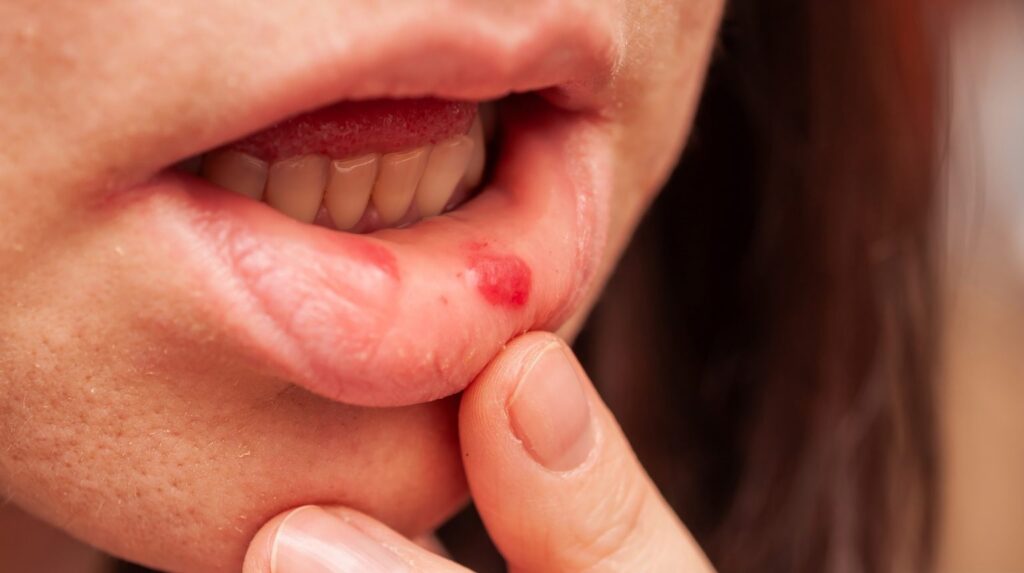
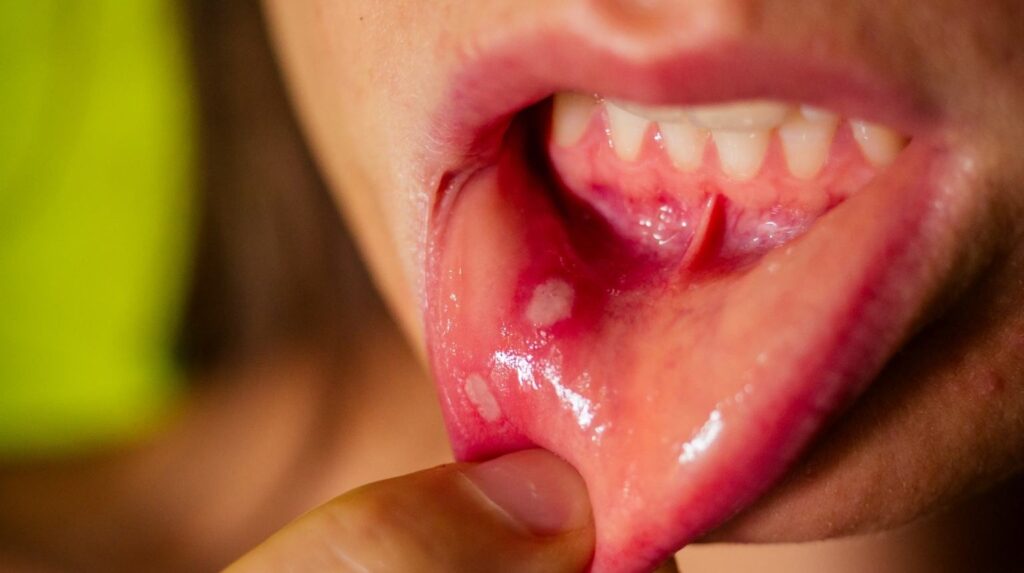
Mouth ulcers, also known as canker sores, are small, painful sores that develop inside the mouth on the cheeks, lips, tongue, or gums. They often heal on their own within 1-2 weeks, but treatments can speed recovery and ease discomfort.
What Are Mouth Ulcers?
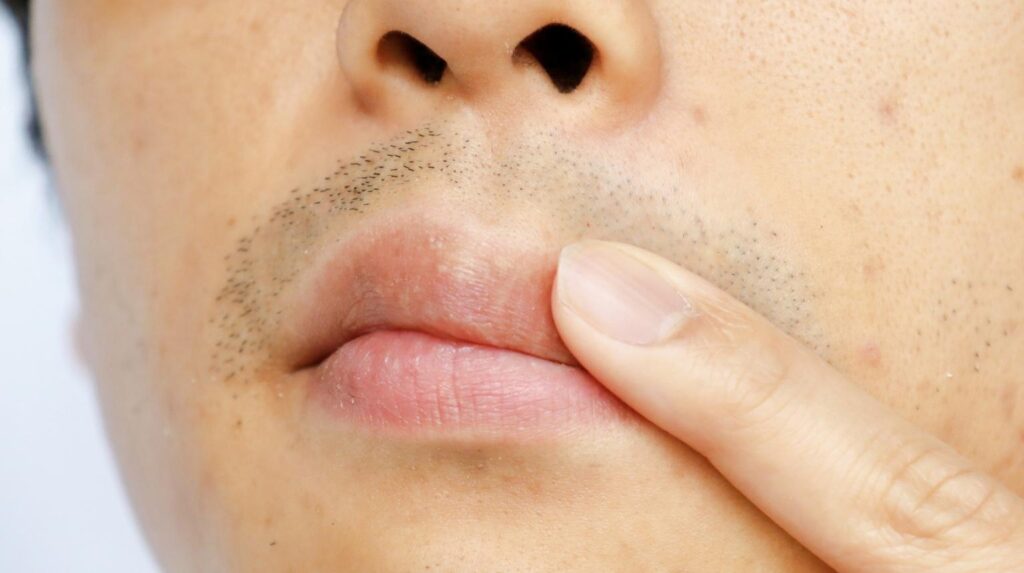
Mouth ulcers appear as round or oval sores with a white or yellow center and a red border. They cause pain, especially when eating, drinking, or brushing teeth. Unlike cold sores, which are caused by the herpes virus and appear on the lips, mouth ulcers are not contagious.
Common types include minor ulcers (small, heal in 7-10 days), major ulcers (larger, deeper, take longer), and herpetiform ulcers (clusters of tiny sores). Most are triggered by minor injuries, stress, or diet rather than infection.
Common Causes of Mouth Ulcers
Several factors contribute to mouth ulcers. Stress and hormonal changes weaken the immune system, making sores more likely. Nutritional deficiencies, especially in vitamin B12, iron, zinc, or folate, play a key role.
Acidic or spicy foods like citrus fruits, tomatoes, and peppers irritate the mouth lining. Accidental bites, rough brushing, or ill-fitting dentures cause trauma. Underlying issues such as allergies, celiac disease, or medications can also trigger recurrent ulcers.
Symptoms to Watch For
Pain is the primary symptom, ranging from mild tingling to sharp burning during meals. Larger ulcers may cause swelling, fever, or swollen lymph nodes. If ulcers persist beyond two weeks, bleed excessively, or interfere with swallowing, they could signal a serious condition like oral cancer—consult a doctor immediately.
Home Remedies for Quick Relief
Natural treatments provide fast, accessible relief. Start with a saltwater rinse: mix 1 teaspoon salt in a cup of warm water, swish for 30 seconds, and spit. Do this 3-4 times daily to disinfect and reduce inflammation.
Apply honey directly to the ulcer 3-4 times a day. Its antibacterial properties form a protective barrier and promote healing. Coconut oil works similarly—dab a small amount for its anti-inflammatory effects.
Baking soda paste neutralizes acids: mix with water, apply gently, and rinse after a few minutes. Aloe vera gel soothes irritation when applied pure. Suck on ice chips to numb pain and shrink swelling.
Yogurt with live cultures balances oral bacteria. Chamomile tea bags placed on the sore offer anti-inflammatory relief. These remedies typically show improvement in 2-3 days.
Also Read Home Remedies In Details: https://medicalstats.in/home-remedies-for-mouth-ulcers/
Over-the-Counter Treatments
For stronger relief, use gels like those with benzocaine to numb pain. Apply a protective paste such as Orabase to shield the ulcer. Antimicrobial mouthwashes containing chlorhexidine gluconate prevent infection—rinse twice daily.
Hydrogen peroxide rinses (diluted 1:1 with water) clean the area effectively. Avoid alcohol-based products, as they sting. These options reduce healing time to 5-7 days.
Dietary and Lifestyle Changes
Prevent ulcers by avoiding triggers. Skip spicy, salty, acidic foods, and carbonated drinks. Eat soft, bland foods like yogurt, mashed potatoes, and smoothies during outbreaks.
Boost nutrition with B-vitamin-rich foods: leafy greens, eggs, and lean meats. Stay hydrated and manage stress through exercise or meditation. Quit smoking and limit alcohol, as they delay healing.
Maintain oral hygiene: brush gently with a soft toothbrush and floss daily. Use an alcohol-free mouthwash to keep the mouth clean without irritation.
When to See a Dentist or Doctor
Most ulcers resolve without intervention, but seek professional help if they last over 10-14 days, recur frequently, or exceed 1 cm in size. Recurrent cases may need tests for deficiencies or conditions like Behçet’s disease.
Dentists may prescribe topical corticosteroids, steroid mouthwashes, or oral medications for severe pain. Silver nitrate cauterization seals large ulcers. Biopsies rule out cancer in persistent cases.
Prevention Strategies
Build immunity with a balanced diet and supplements if deficient (consult a doctor first). Chew food slowly to avoid bites. Use orthodontic wax on braces to prevent rubbing.
Manage allergies by identifying triggers via food diaries. Reduce stress with yoga or adequate sleep. Regular dental check-ups catch issues early.
Long-Term Management for Recurrent Ulcers
For frequent sufferers, prescription options include immune-modulating drugs or low-dose steroids. Nutritional therapy corrects deficiencies. Laser therapy offers quick healing for stubborn sores.
Track patterns in a journal to pinpoint causes. Probiotic lozenges support oral health. Patience is key—most people experience fewer outbreaks with consistent habits.
Frequently Asked Questions
- How long do mouth ulcers take to heal?
Most minor mouth ulcers heal in 7-14 days without treatment, but remedies can shorten this to 3-7 days.
- Are mouth ulcers contagious?
No, unlike cold sores, mouth ulcers are not caused by viruses and cannot spread to others.
- Can stress cause mouth ulcers?
Yes, stress weakens immunity, triggering aphthous ulcers in susceptible individuals.
- What foods should I avoid with mouth ulcers?
Avoid spicy, acidic, salty, or crunchy foods like chips, citrus, and tomatoes to prevent irritation.
- Is honey effective for mouth ulcers?
Yes, honey’s antibacterial and soothing properties speed healing when applied 3-4 times daily.
- When should I worry about a mouth ulcer?
See a doctor if it lasts over two weeks, is very large, or comes with fever or swollen glands.
- Can vitamins prevent mouth ulcers?
Vitamin B12, iron, and folate supplements help if you’re deficient, reducing recurrence rates.