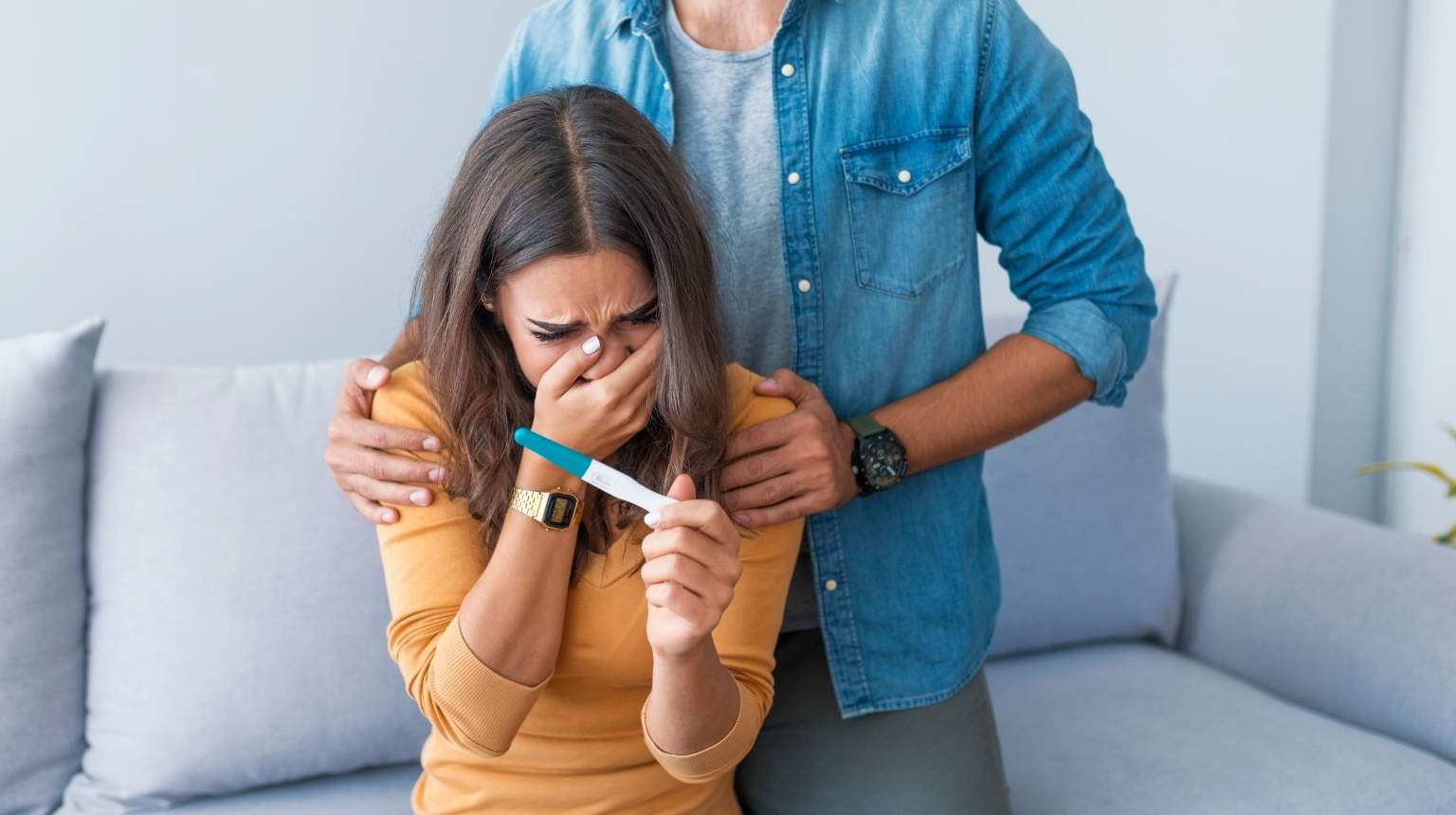
Unprotected sex can lead to anxiety about unintended pregnancy, but several effective options exist post-intercourse to prevent it. Understanding emergency contraception and preventive strategies empowers informed decisions for reproductive health.
Understanding Emergency Contraception Basics
Emergency contraception, often called the “morning-after pill,” works by delaying or preventing ovulation after unprotected sex. The World Health Organization recognizes four main methods: ulipristal acetate (UPA) pills, levonorgestrel (LNG) pills, combined oral contraceptive pills, and copper intrauterine devices (IUDs). These are most effective when used soon after sex, ideally within 72-120 hours, though copper IUDs work up to five days.
The copper IUD stands out as the most reliable option, with over 99% effectiveness, and can remain for ongoing protection. Pills like Plan B (LNG) reduce pregnancy risk by 75-89% if taken promptly, but efficacy drops over time and with higher body weight. Always consult a healthcare provider, as these do not protect against STIs.
Types of Emergency Contraceptive Pills
Levonorgestrel-based pills, such as Plan B or generic versions, are available over-the-counter in many places and cost-effective. Take one dose as soon as possible, no later than 72 hours post-sex for best results. Ulipristal acetate (ella) requires a prescription but works up to 120 hours and performs better in overweight individuals.
Combined oral contraceptives (Yuzpe method) use regular birth control pills but cause more side effects like nausea. Side effects for all pills may include irregular bleeding, fatigue, or headaches, typically resolving quickly. No method causes abortion if pregnancy has already occurred; they prevent implantation or fertilization.
Copper IUD as Emergency Option
Inserting a copper IUD within five days of unprotected sex offers the highest success rate, nearly 100%. A clinician places it in the uterus, where copper ions disrupt sperm and egg interaction. This method also provides long-term contraception for up to 10 years.
It’s ideal for those seeking reliable, hormone-free protection without daily effort. Availability requires a clinic visit, so act fast. Unlike pills, it doesn’t rely on user timing post-insertion.
Natural and Home Remedies: What Works?
Papaya seeds, vitamin C, and ginger are touted online as natural preventives, but evidence is anecdotal and unreliable. High-dose vitamin C (1500mg twice daily for 2-3 days) may interfere with progesterone, but lacks scientific support and risks side effects like stomach upset.
Other remedies like neem or cotton root bark carry health risks without proven efficacy. Urinating and cleaning after sex helps prevent UTIs but doesn’t stop pregnancy. Rely on medical options over unverified naturals for safety.
Pre-Sex Prevention for Future Protection
While the focus is post-sex, regular methods drastically cut risks. Condoms provide 98% effectiveness with perfect use and STI protection. Hormonal birth control pills, implants, patches, or rings prevent ovulation when used consistently.
Track fertility with apps monitoring cycles, mucus, and temperature for natural family planning (85-95% effective with diligence). The withdrawal method fails 22% of the time due to pre-ejaculate sperm. Combine methods (e.g., condoms + pills) for dual safety.
Practical Steps Immediately After Unprotected Sex
Act within hours: Visit a pharmacy for Plan B or clinic for IUD. Track your cycle; if near ovulation, urgency increases. Avoid further unprotected sex until protected.
Communicate with partners about plans and test for STIs. If vomiting occurs post-pill, take another dose. Follow up with a pregnancy test 3 weeks later if no period arrives.
Common Side Effects and When to Seek Help
Pills often cause nausea (up to 20%), spotting, or delayed periods, lasting 1-2 days. IUD insertion may bring cramping or heavier flows initially. Severe pain, heavy bleeding, or chest pain warrants immediate medical attention.
These methods are safe for most, including breastfeeding individuals, but check interactions with medications. Obesity may reduce pill effectiveness; opt for IUD.
Long-Term Contraceptive Strategies
Transition to ongoing options like implants (99% effective for 3-5 years) or injections every 3 months. Abstinence guarantees zero risk, ideal for commitment phases. Regular check-ups ensure best fit.
Educate on myths: Douching or jumping doesn’t work; sperm move fast. Dual protection beats single methods.
Frequently Asked Questions (FAQs)
1. How soon after sex can I take the morning-after pill?
Most effective within 24 hours, but viable up to 72-120 hours depending on type. Sooner is better.
2. Can emergency contraception harm a future pregnancy?
No, it doesn’t affect fertility or cause birth defects if taken early.
3. What if I’m overweight? Does Plan B still work?
LNG pills may be less effective; choose UPA or copper IUD.
4. Does peeing after sex prevent pregnancy?
No, it clears bacteria but not sperm already inside.
5. Can I use natural remedies like papaya to avoid pregnancy?
They’re unreliable; medical options are safer and proven.
6. How do I know if emergency contraception worked?
Expect possible irregular bleeding; test for pregnancy after 3 weeks if period is late.
7. Will the pill protect me from STIs?
No, only condoms do that.
8. What’s the most effective post-sex method?
Copper IUD, over 99% effective up to 5 days.
9. Can I take multiple doses in one cycle?
Yes, but consult a doctor; repeated use reduces regular contraception efficacy.
10. Where can I get these in India?
Pharmacies for pills (no prescription needed for Plan B generics); clinics/hospitals for IUDs.